 Have you ever had this happen?
You’re tired at your regular bedtime but still have things to do, so you power through the exhaustion. Two hours later, you head upstairs to bed. But once you get under the covers, you can’t fall asleep! You toss and turn for an hour before finally conking out – and sleep fitfully for the rest of the night.
Sound familiar?
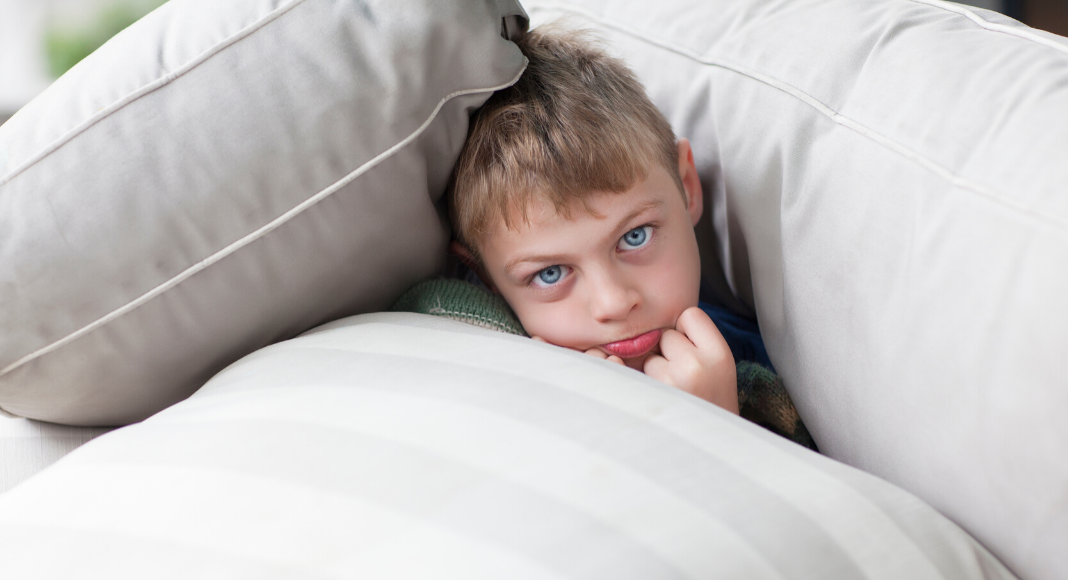
Now, take a look at your child. Is bedtime a struggle? Do they take forever to fall asleep? Are they clearly tired by the end of the day, but get a burst of energy after a bath that makes you doubt whether or not you should even try tucking them in?
If so, they may have trouble falling asleep for the same reason you do when you stay up too late. They may actually be overtired and experiencing the dreaded “second wind.”
Here’s why it happens:
We all have an internal clock (our circadian rhythm) that tells us when to be awake and when to be asleep. It’s pretty rigid. We’re wired to wake up and go to sleep at about the same time every night. When it’s time to sleep, our body produces melatonin, the hormone that makes us feel drowsy.
If we’re awake when we’re supposed to be asleep – in other words, if we push past our optimal “window” for sleep – our brain says, “Hmm! I’m supposed to be sleeping right now, but I’m not. I guess I’d better give myself something to keep me going!”
When that happens, our brain shuts off the melatonin and turns on stress hormones like cortisol, which act like a shot of adrenaline. We become much more alert, our heart rates increase, our blood pressure rises, and we get a “second wind.”
Once that second wind kicks in, it can be almost impossible to fall asleep, no matter how hard we try. We’re officially in the overtired-and-wired zone. Even after we finally do fall asleep, those stress hormones can continue to impact our sleep all night long by causing additional wake-ups, often in the early morning – a particularly difficult time to fall back to sleep.
So how can you make sure that your child doesn’t become overtired and wired?
First, make sure your child is getting enough sleep overall. If you’re confused about what bedtime best suits your child, start with their natural wake-up time and count back the number of hours of sleep they need. That’s the time that they should be asleep each night.
Next, if your child still needs to nap, be sure that they’re restorative and timed correctly. My article, Naps By Age, can help you determine whether your child’s daytime sleep needs tweaking. This can definitely impact their nights.
Finally, observe your child’s behavior. Pay attention to those early signs of sleepiness. Get the bedtime routine in motion before you miss the window and head into overtired territory, which so often looks like not being tired at all. Following your child’s cues is by far the best way to ensure they get the right amount of sleep at the right time of day and night.