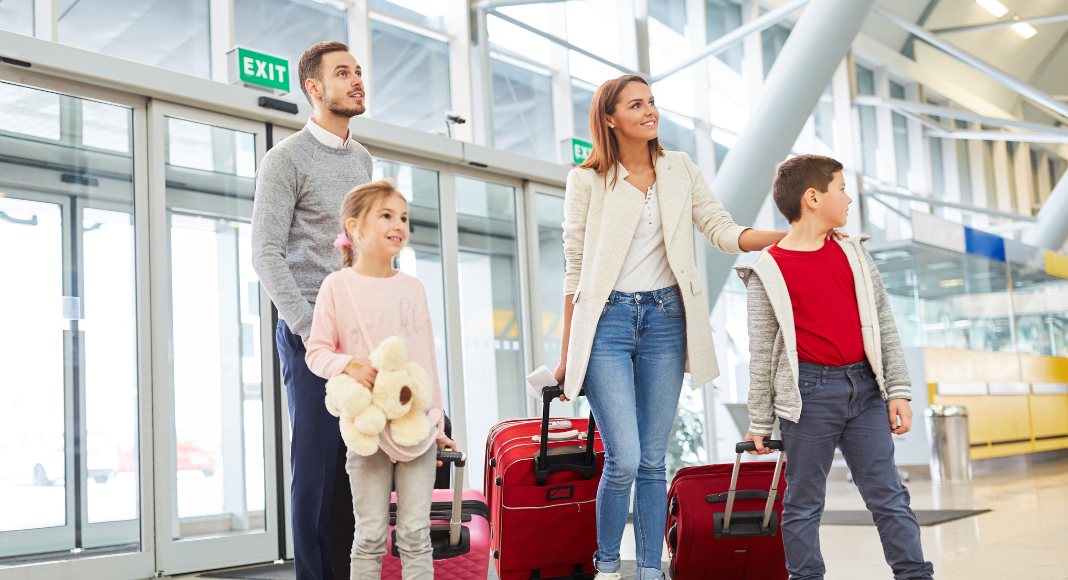
 While summer travel brings the promise of family vacations, reunions, and memorable adventures, it also means crowded airports, longer lines, and unpredictable delays. For parents traveling with children, peak season can feel especially overwhelming. Between managing luggage, keeping kids entertained, and navigating busy terminals, even a simple flight can quickly become stressful.
I’ve seen firsthand how a smooth travel experience doesn’t depend on luck; it depends on preparation, flexibility, and realistic expectations. With the right strategies in place, families can reduce stress and make summer travel more manageable, even during the busiest days of the year. Here are helpful tips for parents to keep in mind.
1. Plan Ahead Before You Leave Home
A successful airport experience begins long before departure day, and choosing flights strategically can make a significant difference. Early morning flights tend to be less crowded and are less likely to experience delays that build up later in the day. When possible, nonstop flights are also worth the investment (especially for families with young kids), since they reduce the risk of missed connections and extended travel time.
Seat selection is another important consideration. Parents traveling with multiple children often find it helpful to sit together in advance rather than relying on last-minute arrangements at the gate. Many airlines allow families to choose seats early, which can reduce stress once onboard.
It’s also essential to review travel requirements ahead of time. Identification rules for children vary depending on whether you’re flying domestically or internationally. Airlines may also have specific policies regarding strollers, car seats, or checked baby gear. Double-checking these details before arriving at the airport helps prevent unnecessary delays.
Equally important is preparing children for the experience itself. Even young kids benefit from knowing what to expect. Talking through the airport process and discussing security lines, boarding procedures, and possible waiting times can reduce anxiety. Framing it as a new experience rather than something intimidating helps children feel more confident and cooperative.
2. Arrive Earlier Than You Think You Need To
During the summer travel season, airports are often busier than usual. This means everything from check-in to security screening takes much longer. Arriving earlier than recommended is one of the simplest ways to reduce stress. For domestic flights, families often benefit from arriving at least two hours in advance, while international travel may require three hours or more.
For parents, that extra time is especially valuable because it allows space for bathroom breaks, diaper changes, unexpected meltdowns, or simply finding food without rushing. When families cut arrival times too close, even minor delays can create unnecessary tension. A calm start to the journey sets the tone for the entire trip.
3. Pack a Smart Carry-On
A well-prepared carry-on can make the difference between a smooth flight and a stressful one. For families, the goal is to anticipate needs before they become urgent. Entertainment is essential. Tablets loaded with movies or games, headphones, coloring books, travel puzzles, and small toys can help keep children engaged during long waits and flights. Also, rotating activities instead of offering everything at once will help maintain interest.
Snacks are equally important. Familiar, easy-to-eat foods can help prevent hunger-related meltdowns (especially if flights are delayed). It’s wise to pack more than you think you’ll need, along with refillable water bottles to stay hydrated throughout the journey. A change of clothes for children (and even for parents) can be a lifesaver in case of spills, accidents, or unexpected delays.
Essentials like diapers, wipes, medications, and comfort items should also always be kept within easy reach. Portable chargers are also critical, especially for keeping devices powered during long travel days.
4. Navigating Airport Security with Kids
Security checkpoints are often among the most stressful parts of flying with children, but a little preparation can help things go more smoothly. Knowing what needs to be removed (such as shoes, electronics, and liquids) can speed up the process and reduce confusion. Strollers and car seats may need to be folded or screened separately, so parents should be prepared for a brief juggling act.
Keeping children close and giving them a simple task, like holding a bag or watching their belongings, can help them feel involved and reduce wandering in busy lines. Most importantly, patience is key. Security lines move faster when families stay organized and calm, even in crowded conditions.
5. Managing Delays, Cancellations, and Crowded Airports
Summer travel often comes with unexpected disruptions, from weather delays to overbooked flights. Flexibility is one of the most valuable tools families can bring to the airport. When delays happen, finding ways to keep children comfortable is essential. Many airports now offer family-friendly areas, play spaces, or quieter seating zones. Even short walks through terminals can help children burn energy and reset their mood.
Parents can also turn waiting time into low-pressure bonding moments. Reading together, playing simple games, or exploring the airport can help shift focus away from frustration. Children often take emotional cues from adults, so staying calm and adaptable can make a noticeable difference in how they respond.
6. In-Flight Strategies for Every Age
Once onboard, different age groups require different approaches. For babies and toddlers, feeding during takeoff and landing can help ease ear pressure, while familiar comfort items can help them settle. Maintaining nap routines as much as possible can also improve the experience.
School-age children tend to do well with a mix of screen time and interactive activities. Setting expectations before the flight (such as staying seated and using quiet voices) will also help reinforce structure without unnecessary conflict. Teenagers may also appreciate more independence, such as managing their own devices, entertainment, and travel gear. Encouraging responsibility while maintaining communication helps make the flight smoother for everyone.
7. Prioritize Health and Safety
Travel days can disrupt routines, so it’s important to stay mindful of health and safety. Frequent handwashing or use of sanitizer helps reduce exposure to germs in busy airports. Staying hydrated is also equally important, especially during long flights. Parents should keep medications, identification, and emergency contact information easily accessible rather than buried in checked bags. Being prepared for minor issues can prevent them from becoming major disruptions.
8. Preparation Makes All the Difference!
While summer airports may be crowded and unpredictable, family travel doesn’t have to feel overwhelming. With thoughtful planning, smart packing, and realistic expectations, parents can reduce stress and improve the experience. The key is preparation, not perfection. Even small steps like arriving early, packing intentionally, and preparing children in advance can turn a chaotic airport day into a more manageable part of the journey.