 Playgrounds are designed to spark joy, imagination, and physical activity. However, they’re also one of the most common places for childhood injuries. Falls, collisions, and equipment misuse can quickly turn a fun outing into a stressful situation. The good news? Most playground injuries are preventable with a bit of awareness and preparation.
1. Choose Age-Appropriate Playgrounds
Not all playgrounds are created with every child in mind. Many parks are divided into sections designed for different age groups, such as toddlers and older children. Pay attention to signage and equipment size. What’s safe for a 10-year-old may be overwhelming or dangerous for a preschooler. Sticking to age-appropriate areas helps reduce the risk of falls and frustration.
2. Always Supervise, But Be Strategic
Active supervision is one of the most effective ways to prevent injuries. This doesn’t mean hovering over every move, but it does mean staying engaged and within sight. Avoid distractions like scrolling on your phone, and position yourself where you can see multiple play structures at once. The goal is to be available quickly if something goes wrong, while still allowing your child some independence.
3. Check Playground Surfaces
The ground beneath playground equipment plays a major role in injury prevention. Softer surfaces, such as rubber mulch and mats, can cushion falls, while hard surfaces, such as concrete or packed dirt, increase the risk of serious injury. Take a moment to scan the area and ensure there’s adequate coverage (especially under swings, slides, and climbing structures where falls are more likely).
4. Inspect Equipment Before Play
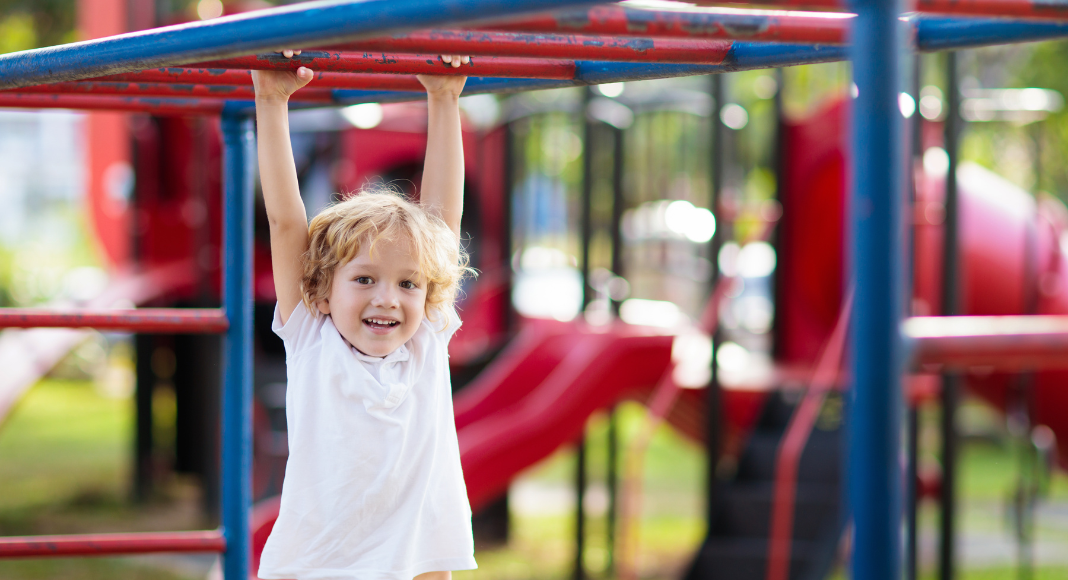
A quick visual check can go a long way. Look for broken parts, rust, sharp edges, or loose bolts that could pose a hazard. In warmer months, test metal slides and climbing bars to make sure they aren’t too hot to touch. If something looks unsafe or poorly maintained, it’s best to steer your child to a different area.
5. Dress Kids for Safe Play
What your child wears can impact their safety more than you might think. Avoid clothing with drawstrings, loose accessories, or scarves that could get caught on equipment. Closed-toe shoes with good traction are ideal for climbing and running. If your child has long hair, tie it back to prevent it from obstructing their vision or getting tangled.
6. Teach Safe Play Behavior
Playground safety isn’t just about the environment; it’s also about behavior. Teach children to take turns, avoid pushing or roughhousing, and use equipment as intended. For example, slides should be used feet-first. Climbing structures should also be approached one child at a time. Reinforcing these habits early helps kids develop awareness and respect for others’ space.
7. Be Mindful of Weather Conditions
Weather can significantly impact playground safety. On hot days, surfaces like slides and monkey bars can become dangerously warm, potentially causing burns. After rain, equipment may also be slippery, increasing the risk of falls. In colder months, watch for ice or frost. Wood mulch, in particular, can freeze in cold weather and become an unsafe surface. Dressing appropriately, applying sunscreen, and encouraging hydration are all simple ways to keep kids comfortable and safe.
8. Watch for Fall Zones
Many playground injuries occur not on the equipment itself, but in the areas around it. Be aware of “fall zones,” a.k.a. the spaces where children are most likely to land if they slip or jump. Keep these areas clear, and teach your child not to linger at the bottom of slides or run in front of moving swings. A little spatial awareness can prevent many accidents.
9. Set Clear Boundaries and Rules
Before your child starts playing, establish simple, clear rules. This might include staying within a certain area, not talking to strangers, or checking in with you before leaving the playground. Having consistent guidelines helps kids understand expectations and gives them a sense of structure (even in a free-play environment).
10. Know Basic First Aid and Be Prepared
Even with the best precautions, minor injuries can still happen. Being prepared makes all the difference. Carry a small first-aid kit with essentials like bandages, antiseptic wipes, and tissues. Knowing how to handle scrapes, bumps, and minor cuts can help you respond quickly and calmly. It’s also helpful to have emergency contacts easily accessible, just in case.
Playgrounds are an important part of childhood, as they offer opportunities for exercise, creativity, and social interaction. Safety doesn’t mean limiting that experience; it simply means being proactive. By choosing the right environment, staying attentive, and teaching smart habits, parents can create a safer space for kids to explore and enjoy. With a few simple precautions, every trip to the playground can be as carefree as it should be.