Since I was a teenager, I’ve always been attracted to men of different races. Truthfully, I often felt judged or uncomfortable around white men. I was, and still am, a strong, curvy, outspoken, and opinionated cis white woman. And yes, that boldness is absolutely coming back to haunt me now that I’m raising a daughter of my own!
Maybe men of my own race were intimidated, I don’t know. But I knew how I felt—and I felt drawn to darker men.
I grew up in New Hampshire, a predominantly white town and state. There was one Black family in our town with a ton of kiddos. From my perspective, they always fit in. The color of our skin wasn’t something we pointed out or talked about—it just wasn’t a thing. We were always friends.
As I got older and started dating, and became the first person in my immediate and extended family (parents, grandparents, aunts, uncles) to go to college, I began to see the world in new ways. I became aware of and accepted my privilege as a white woman. (Now that topic is for another day.)
When I started dating Black men, some of my family members were curious. Others seemed uncertain.
I remember my dad once saying, “I don’t care who you marry, I’d just be worried about the kids.”
I wasn’t sure what he meant at the time. But it’s becoming clearer now.
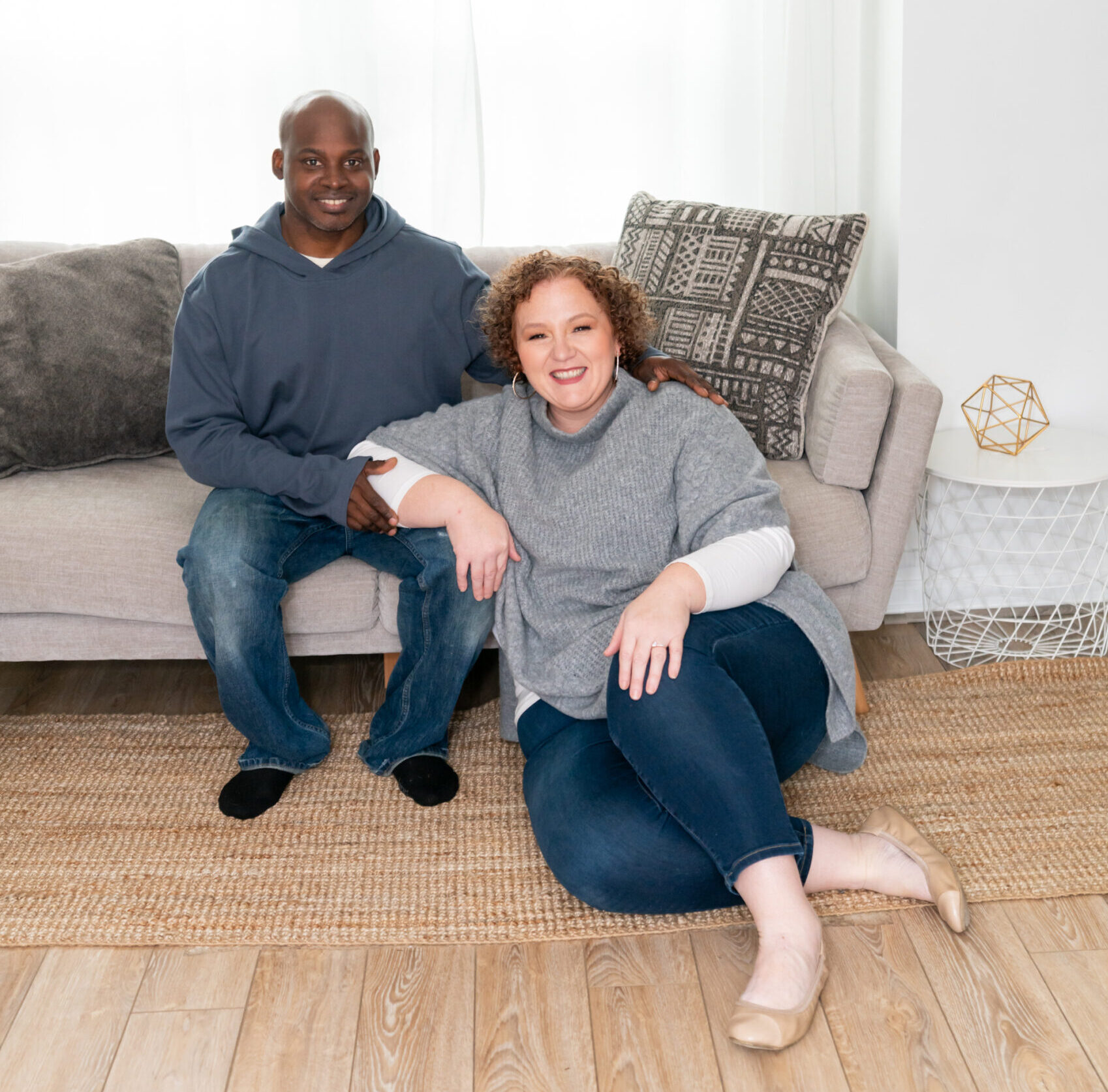
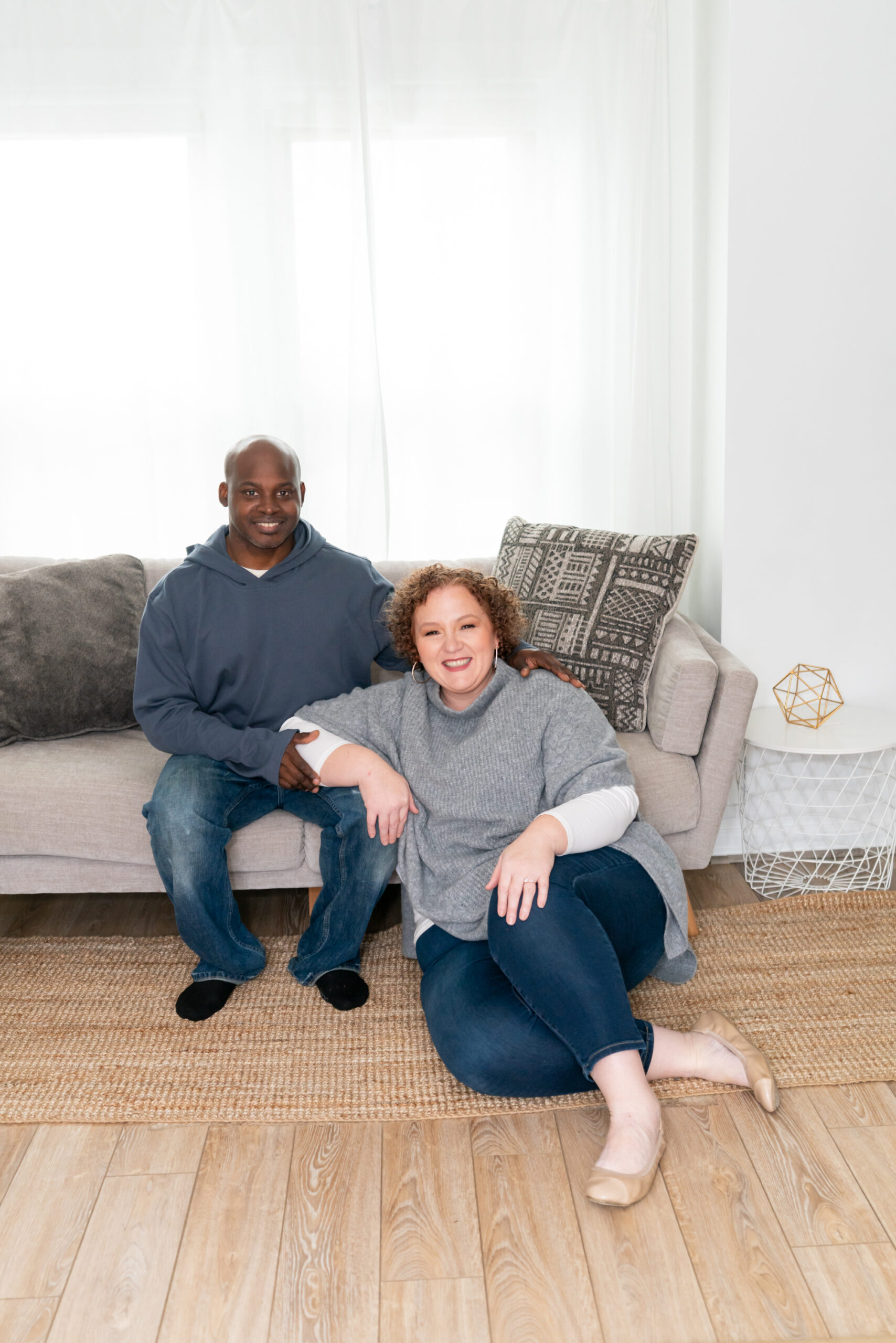
In 2016, I married an incredible man from Guyana. In 2019, we welcomed our boy/girl twins into the world. They’re six now, beautiful shades of brown, and about to start first grade.
 Since the day they were born, I’ve been preparing myself to parent multiracial children. How will they identify? How can I support them in connecting with all of who they are? How do I protect them from racism or discrimination if their skin is “too dark?” How do we raise them to be kind and inclusive?
We read books with diverse characters. We buy dolls in all shades of color. We let them guide the conversation, ask questions, be curious, and explore their identities.
What I didn’t expect was for it to start so early.
I remember a preschool play date when my daughter was three. She said, “Mommy, her skin is white and mine is brown. That’s so cool!”
As soon as they could form sentences, they were talking about the color of their skin.
Maybe it’s because we don’t shy away from the topic. Maybe it’s because they’ve always been surrounded by people and experiences in all shades of beautiful. Or maybe it’s because, in their words, “Mommy is white, and Daddy is Black,” so they don’t exactly see themselves in either of us.
Their skin color comes up nearly every day. Usually in passing, making observations like:
“Mommy, she has brown skin like me.”
“He looks like Daddy.”
“He has braids like me.”
We welcome it. We encourage it. And we work really hard to build a community that is kind, loving, and accepting.
I’d be lying if I said I wasn’t nervous for them. I am. Terrified, actually. But I keep that hidden from them. They should never be afraid to be who they are—to love and accept themselves exactly as God made them.