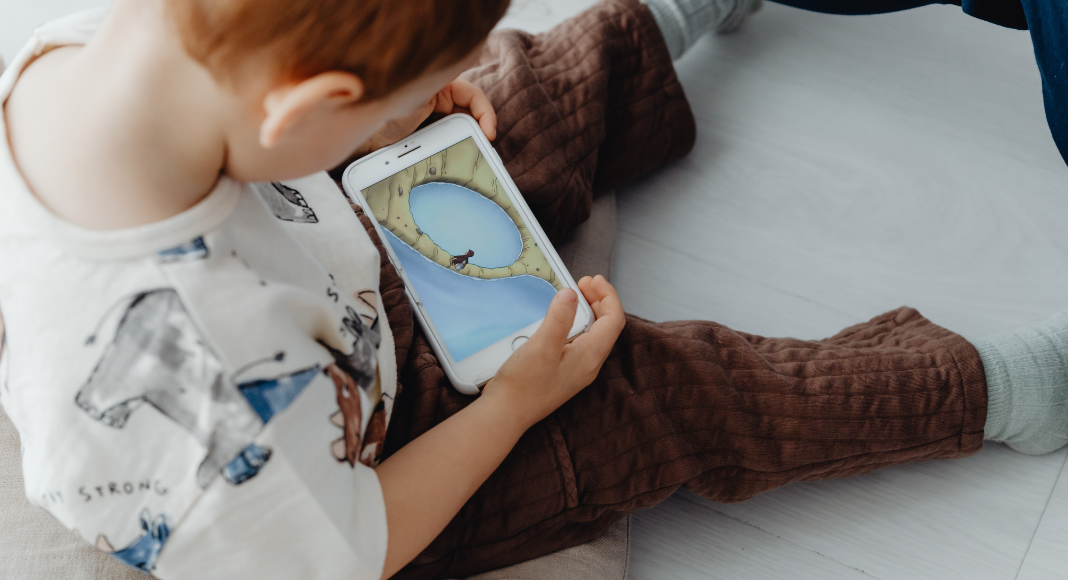
 Toy Story 5 was released, and we were lucky to be invited to a movie-theater birthday party that weekend to watch the film. I was thirteen years old when the original movie was released and was a mom by the time the fourth Toy Story came out. Imagine how my world has changed since that first movie.
*Caution: this post may contain spoilers!*
As usual, Disney created a film that both children and adults could connect with. My takeaway from the movie was that Disney, a billion-dollar company, has my parenting back. Every screen-free value I am trying to instill in my own children as they grow was acted out on screen. The worries I warn them about happened to the main character, Bonnie.
Children must play and be social, like real person-to-person social. Screens take away these necessary social opportunities, imagination, and open the door to bullying or hurt feelings. Screens provide instant gratification. I laughed out loud as the toys complained about the tapping children do on the screens.
Play doesn’t have an age limit. We are never too old to have fun, imagine, and play with toys. Bonnie’s “friends” laughed when she brought a toy to a play date because they were all on their tablets.
Who pushed the fast-forward button on childhood? Screens. They are addictive, and no child wants an open-ended toy when you can brain-rot on your tablet.
Honestly, it’s hard to come back from screens in my own home. If my children get the opportunity to use their tablets or watch TV, they never want the screen time to end, and they certainly won’t revert to play easily. Now I can reference the movie character Lilypad, who was not the best choice for Bonnie.
My parenting hack is to share research on screen use and its effects on children. Do my kids care that the AAP recommends a certain amount of screen time for each age group? No, but the guidelines are set for a reason: science and research have gone into creating them, and once I hear it, I can’t go back, so I share them in hopes they recognize I’m trying to do the best I can for their growing minds.
Recently, screen time guidelines have changed to reflect the technology children use in their daily lives. For example, my children use their laptops at school to read and practice math.
The American Academy of Pediatrics (AAP) has updated its guidance, shifting away from strict, timer-based limits. They now emphasize the quality, context, and content of screen time over strict quantity, focusing on healthy digital habits and ensuring media use does not crowd out sleep or physical play.
Fellow FC Mom contributors have shared how technology has supported their children during divorce and how allowing them to have a phone has helped them socially. Technology is a wonderful thing when it is a carefully thought-out family decision.
I call devices tools. I use my phone for work and keeping our family life running. I love a good reel scroll, but as I explain to my children, my brain developed before handheld technology. While Lilypad wasn’t the best for Bonnie to connect with friends, she also helped save the day, demonstrating the balance we must have with tech.