
















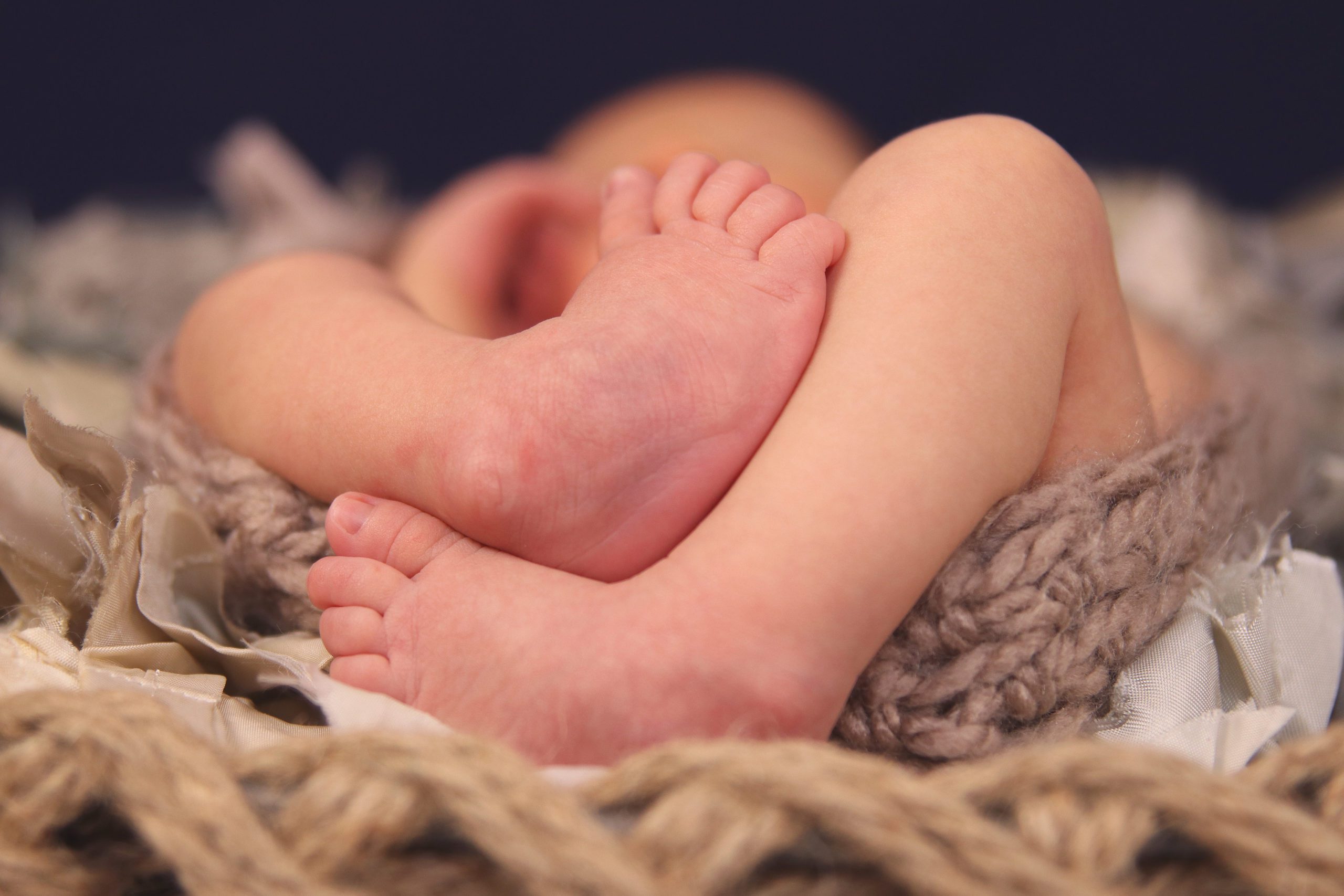
June 3rd is World Clubfoot Day.
Before being pregnant with my third child, I had no idea what “clubfoot” was, but there I was sitting at my 19-week anatomy scan, with my husband and the proud big sister. The scan started out uneventful, but as the ultrasound technician made her way down the body, she stopped and asked, “Does anyone in your family have clubfoot?” I was confused by her question. I responded with a hesitant “No” and glanced over at my husband. “Your baby looks like it has clubfoot,” she continued. My heart sank.
I felt panicked and confused all at once. The technician called in the doctor, who confirmed her observation. My face felt flushed. I could feel the knot in my throat. I tried to fight back the tears, but despite my efforts, they came. I wiped them away, attempting to hide them from my daughter. “Mommy, why are you sad?” I forced a smile. “I’m okay, sweetie. Mommy is just happy to see the baby.”
My mind was racing. I envisioned having a child who couldn’t walk. I envisioned nubs as feet. I envisioned teasing from peers. I envisioned my older children having to stick up for their little brother or sister. I didn’t know what “clubfoot” actually meant, but my mind went every which way.
The geneticist was brought into the room to talk to us about having testing done to rule out genetic conditions known to be linked to clubfoot. At that moment, the rest of the conversation was a bit of a blur. I nodded my head but didn’t hear their words.
When the appointment ended, my husband headed to work, and I dropped my daughter off at school. I drove home and sat at my dining room table, looking at pictures of babies born with clubfoot. And I sobbed. I was scared. I was worried. I was heartbroken for my unborn child.
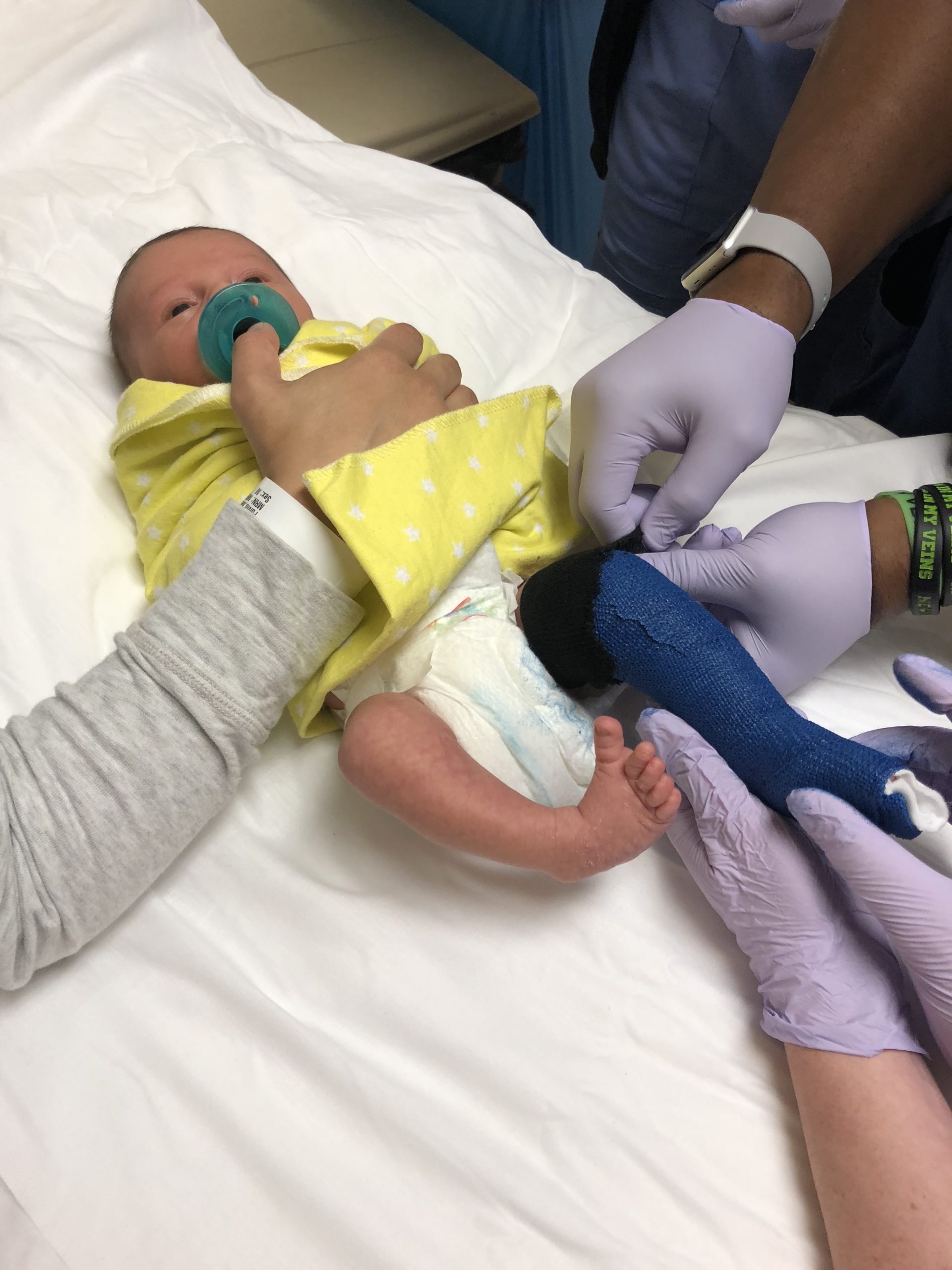
Over the years, I have learned a lot from my little clubfoot cutie. I have had to see my little baby put in full leg casts at only 13 days old and undergo surgery at two months old. I have had to put my trust in his doctors. I have had to be his voice and advocate. I have had to trust my mama instincts and learn as I go. And despite all these not-so-typical newborn endeavors, I have also seen his strength and his resilience shine through. I have had to trust the process.
So, in honor of World Clubfoot Day, my little clubfoot cutie and all those impacted by clubfoot, I’d like to educate and raise awareness about this congenital condition, which affects approximately 1 in 1,000 babies.
What is clubfoot?
Clubfoot, also called talipes equinovarous (TEV) or congenital talipes equinovarus (CTEV), is the most common musculoskeletal birth deformity that affects both the foot and calf muscles. The foot is turned inward, tilted sideways, and the heel is up high. The bones within the foot are all present but misaligned. Clubfoot can be mild to severe.
How common is it?
Clubfoot affects approximately 1 in 1,000 babies. It is twice as common in boys as in girls.
How does it develop?
Clubfoot develops in utero before a baby is born. It is caused by a shortened Achilles tendon, which makes the foot turn in and under.
What causes it?
In most cases, the cause of clubfoot is unknown (idiopathic), but there appear to be genetic and environmental influences. Risk factors include a family history of clubfoot and male sex. Although clubfoot is typically an isolated issue, 20% of cases are associated with certain syndromes (Spina bifida, Amniotic Band Syndrome, Arthrogryposis, Trisomy 18, etc.).
What are the different types?
Clubfoot can occur in one foot (unilateral clubfoot) or both feet (bilateral clubfoot). Half of the cases involve unilateral clubfoot.
How is it treated?
In the United States, the most common treatment for clubfoot is the Ponseti Method. Treatment typically begins within the first two weeks after birth. The goal of treatment is to have a functional foot that looks normal and is pain-free.
What is involved in the Ponseti Method?
Within the Ponseti Method, the foot is first corrected with a series of full leg casts and then maintained with bracing. During the serial casting phase of treatment, the foot is carefully stretched, manipulated, and then held in place with a full-leg cast. The cast is typically changed each week for approximately 5-7 weeks. Once the casting process is complete, 80% of individuals will need to have their Achilles tendon cut (tenotomy) so the tendon can grow back longer and allow the child’s heel to move down.
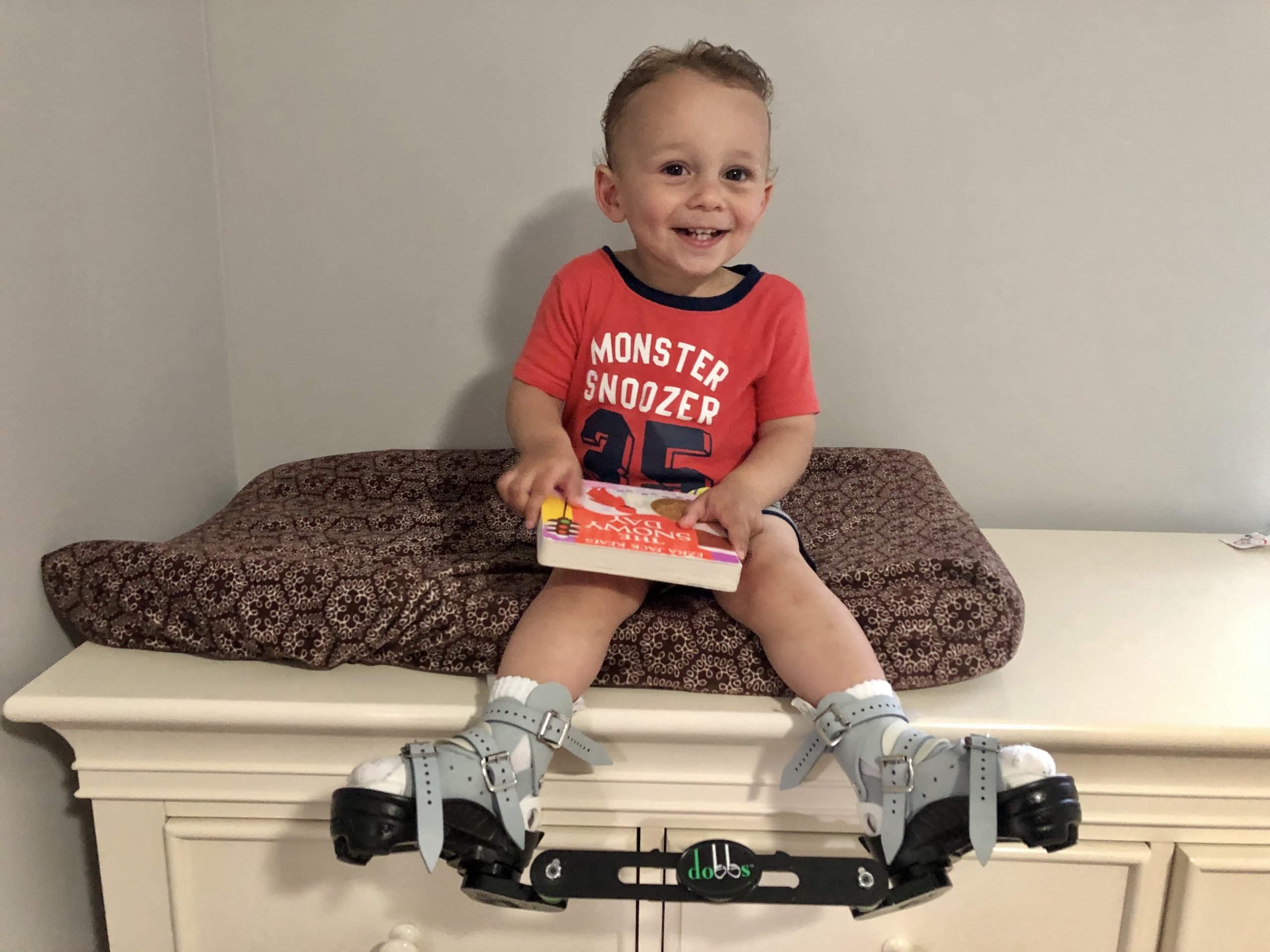
Once a tenotomy is completed, the baby will be put in a final cast for two to three weeks while the tendon heals. When this cast is removed, the bracing process immediately begins to maintain the correction and prevent relapse. Braces (also known as the boots and bar) are typically worn for 23 hours a day for 2 months, then reduced to 12 hours a day (for naps and nighttime) until the age of 4 or 5.
What is the outcome?
When treated, individuals with clubfoot live normal, typical, and active lives. One probably can’t even tell whether an individual was born with it just by looking at their feet.
Who are some famous people born with clubfoot?
Mia Hamm, Kristi Yamaguchi, and Troy Aikman were all born with clubfoot.










I really appreciate your blog. Clubfoot is a deformity in which an infant’s foot is turned inward, often so severe that the bottom of the foot faces sideways or even upward. Most types of clubfoot are present at birth (congenital clubfoot). It can occur in one foot or both feet. Although it is painless in babies, treatment should begin immediately, as delaying therapy can cause significant problems as the child grows. With early treatment, most children born with clubfoot are able to lead normal lives. Ponseti method is used to treat clubfoot. It is a nonsurgical treatment process. The method utilizes a series of casts that gradually move the foot to the correct position. Thanks for sharing this blog.