“She has dyslexia.”
Sometimes that’s all I say. And some people immediately get it—they nod, their expression softens, and I know they’ve seen it up close. Maybe it’s their child. Maybe it’s a student they once taught. But others tilt their head and say, “Really? I would have never guessed.”
And that’s the thing about dyslexia. It hides in plain sight.
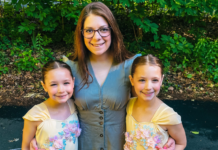
My daughter is bright, articulate, imaginative, and incredibly hard-working. She dances with passion. She tells the most detailed stories. She’s emotionally intuitive and socially sharp. But she can’t read, write, or spell at grade level. And for many people, those two truths can’t exist in the same sentence.
That’s the struggle we live every day—not just the three extra hours of tutoring each week or the repeated review of choreography videos because she can’t pick up steps the first time—but the perception. The assumptions people make. That she’s lazy. That she’s not trying hard enough. That she’s being immature or defiant. That she just needs to “focus more.”
She gets help in school—we fought hard for it. She has an IEP, accommodations, and specialized support. And still, progress is slow. She’s working twice as hard to keep up, and yet the gap remains. Teachers and staff have good intentions, but the system wasn’t built for kids like her—kids who grasp the concepts but struggle to demonstrate them in the expected way. She explains things beautifully out loud, but struggles with written tests. She puts in the work every single day and still comes home feeling like she’s not enough. That’s the part that breaks me.
What people don’t see is the anxiety. The exhaustion. The tears. The headaches that come after too much reading. The way she freezes when someone suddenly asks her to spell a word or read out loud. She can’t just perform on cue. Her brain doesn’t work that way.
It takes trust, time, and patience. She’s not being evasive—she’s overwhelmed. But when people take that hesitation as defiance or disinterest, it chips away at her confidence a little more each time.
It also doesn’t help when people make jokes about it. “Oh, I just mixed up my numbers—that’s my dyslexia!” I know they mean no harm, but I want to scream. Dyslexia isn’t a punchline. It’s not just flipping letters. It’s a complex neurological condition that affects reading, writing, spelling, memory, focus, and even coordination. It’s a lifelong challenge—and one my daughter faces with more grace than most adults I know.
She is not broken. She is not lazy. She is not less-than.
She is creative, curious, and determined. She rewatches dance routines on repeat until her muscles memorize the steps her brain can’t process in real time. She works harder than most people ever will—and still shows up, still smiles, still raises her hand.
So if you meet a child like mine—one who seems bright but “isn’t quite there” academically—pause before judging. Ask how they learn instead of how they test. Celebrate both effort and achievement.
And if you’re raising a child like mine, just know this: you’re not alone. You see them. I see them too.