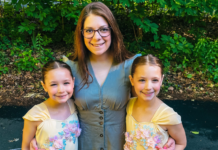
I apologize to my kids for a myriad of reasons, including when I curse (which happens a lot). The conversations around “bad words” really began in our house because of music. Sometimes, the explicit version would appear on our streaming service, and we would have to have a conversation about certain words.
Just like coffee and wine are for grown-ups, so are certain words. But some words are so ugly we never say them, no matter how grown we get.
Interestingly enough, my kids don’t say “bad words.” Even though their foul-mouthed mother lets them slip out in their presence, I’m not proud. Do I find it a little humorous? Sure. But I certainly am not trying to be a bad example. I apologize quickly and profusely, reminding them of their favorite phrase: I wasn’t raised as well as you are. “It’s ok,” they say.
And then I remind them of MY favorite phrase: It’s not ok, but you understand.
I apologize to them when I don’t respond well to something. I tell them it’s not ok when they tell me it’s ok, but they understand. They amend. “I understand,” they say. And then I say, “Thank you for understanding.” That’s how the apologies go in my house.
I never want my kids to think there is a good excuse for bad behavior toward someone or towards them, but I also want them to understand that bad behavior happens. We are human beings with a broad range of emotions and experiences, and we don’t always behave perfectly. When my responses aren’t great, I make sure they understand that I should have handled the situation differently.
For example, am I entitled to get angry that they went behind my back, masterminded a slime extravaganza evening with a babysitter, and then hid the slime in the closet only to have it end up all over their clothes and things, rendering them ruined the night before we fly to Europe for a month? Sure. Of course, I am entitled to be angry. But I don’t think I am entitled to yell, and yell I did.
So, after we cleaned up, I apologized for not handling my frustrations differently. I was a little more anxious than usual because of this big trip. They aren’t allowed to have slime. I should have handled my frustration differently, not by yelling at them.
I have been repeating these phrases to them their whole life, even before they were old enough to understand what any of these words meant. But I knew one day it would click. I love that they don’t take in my grumpiness. “Uh Oh! Mama needs more coffee!” they say. Even if I don’t need more coffee but less mess, I smile whenever they say it. I love that they don’t blame themselves if things aren’t super happy.
And guess what? They have learned to recognize their less-than-stellar behavior and apologize to me without being asked. I can also tell when my 8-year-old is about to lose her patience, and I see how she finds a way to cool off before continuing a conversation. I think it’s a critical skill for success and healthy relationships, and it’s never too early to start.